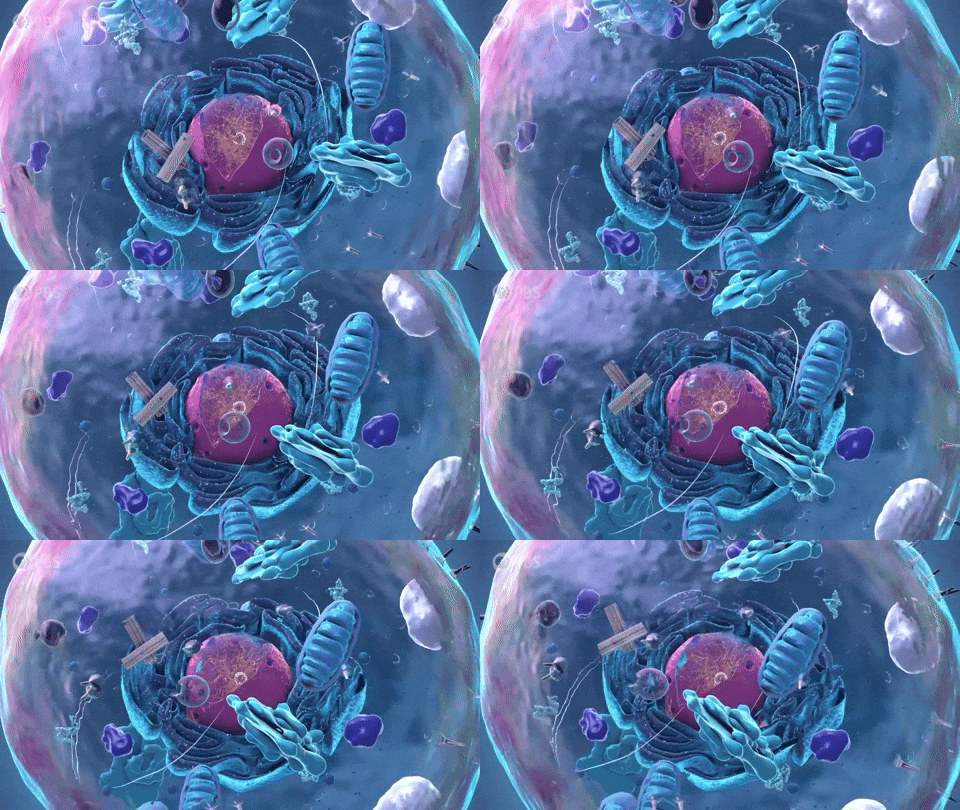
These are complete cells that contain a nucleus, mitochondria, and another membrane-bound organelle. These are always multicellular organisms like animals, plants, fungi, etc. These structures look similar to each other .Together they for m a big structur e like anonion bulb! We find from this activity that onion bulbs of dif ferent sizes have similar small structures visible under a microscope.
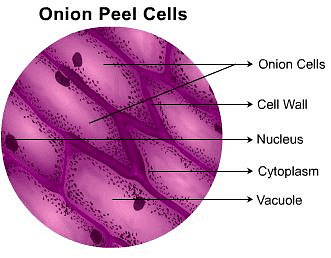

These small structures that we see are the basic building units of the onion bulb. These structures are called cells. It is now known that a single cell may constitute a whole organism as in Amoeba,Chlamydomonas, Paramoecium and bacteria.These or ganisms ar e called unicellularorganisms (uni = single)

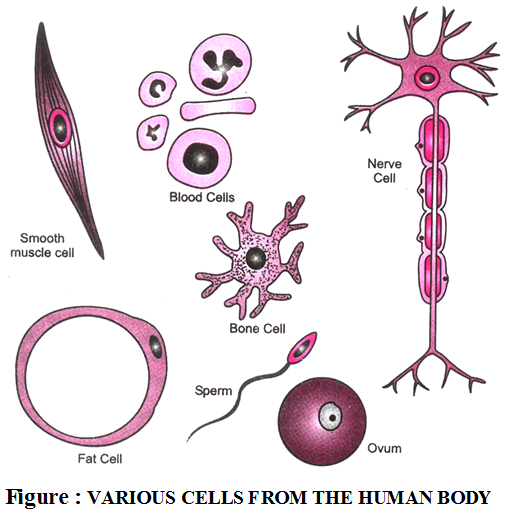
Some or ganisms can also have cells of different kinds. Look at the following picture.It depicts some cells from the human body. The shape and size of cells are related to the specific function they perform. Some cells like Amoeba have changing shapes. In some cases the cell shape could be mor e or less fixed and peculiar for a particular type of cell for example, nerve cells have a typical shape.