We have seen that the entire diversity seen inthe living world can be classified into a fewgroups. Some of them are viruses,some are bacteria, some are fungi, some aresingle-celled animals or protozoans .

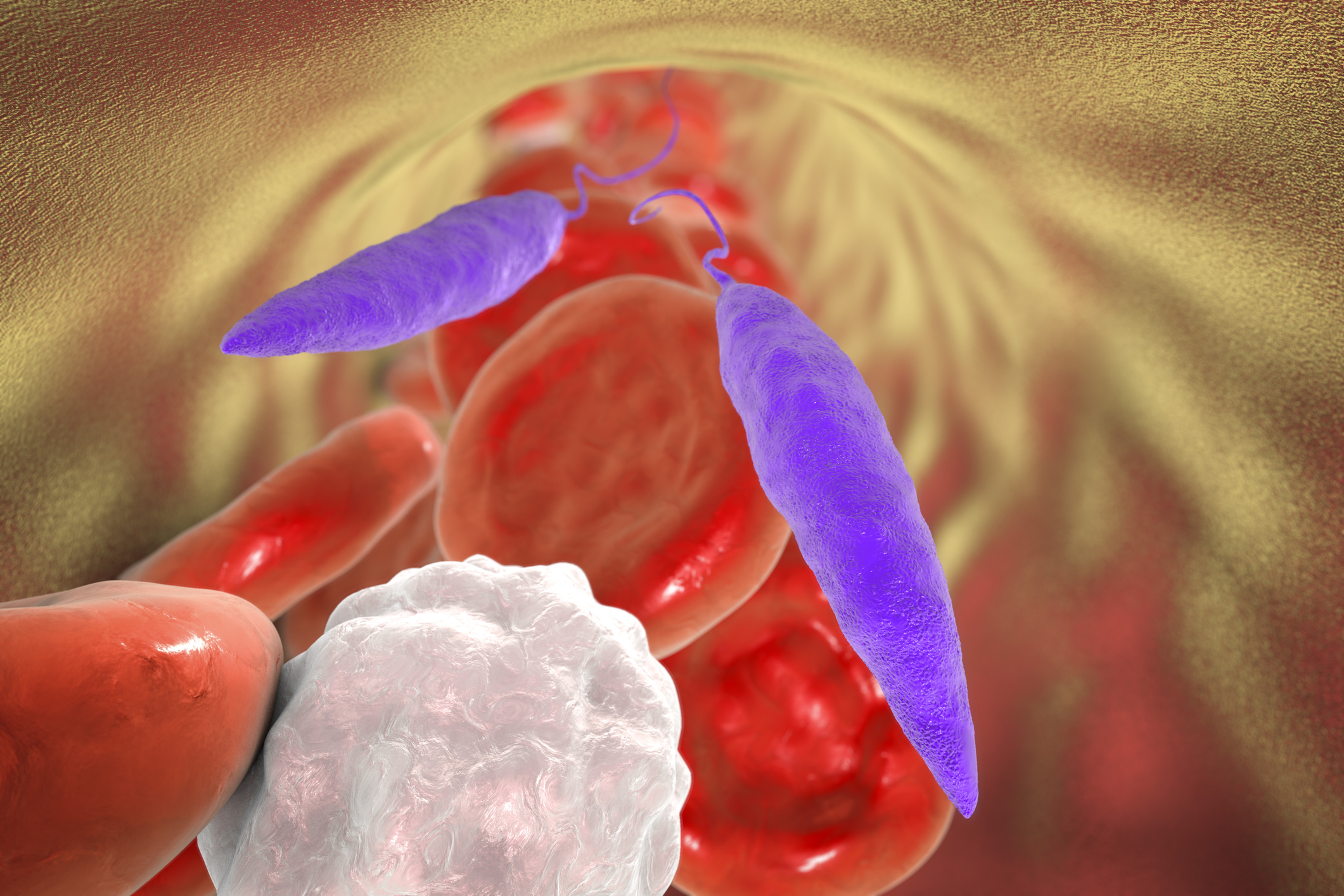
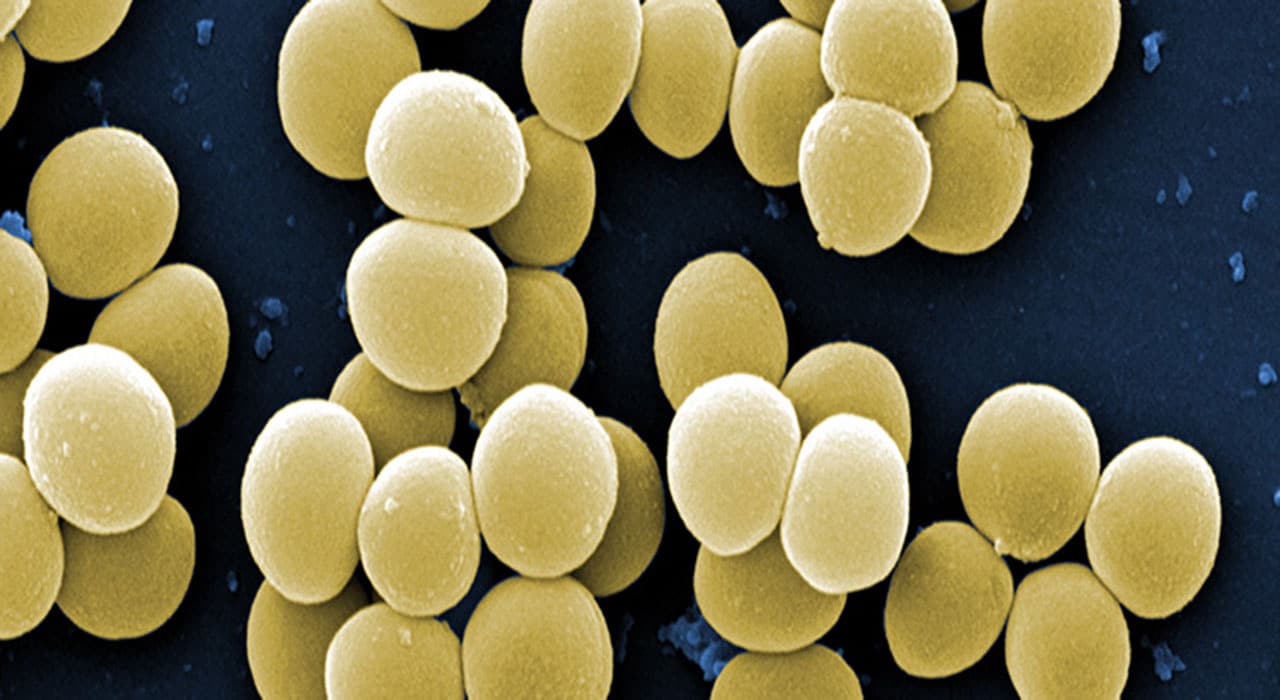

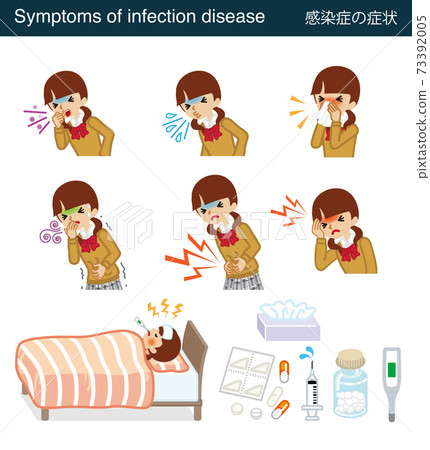
The symptoms of infectious diseases depend upon the site and the type of pathogen affecting the body. E.g., the rabies virus affects the nervous system. Some viruses cause warts, runny nose, muscle ache, etc. A person affected by bacterial infection will experience symptoms such as fever, swelling, heat, pain, swelling in the lymph glands etc.
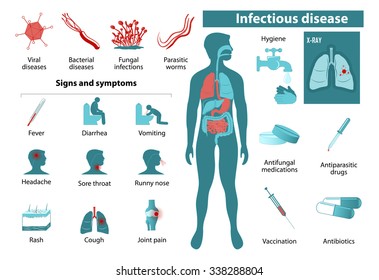

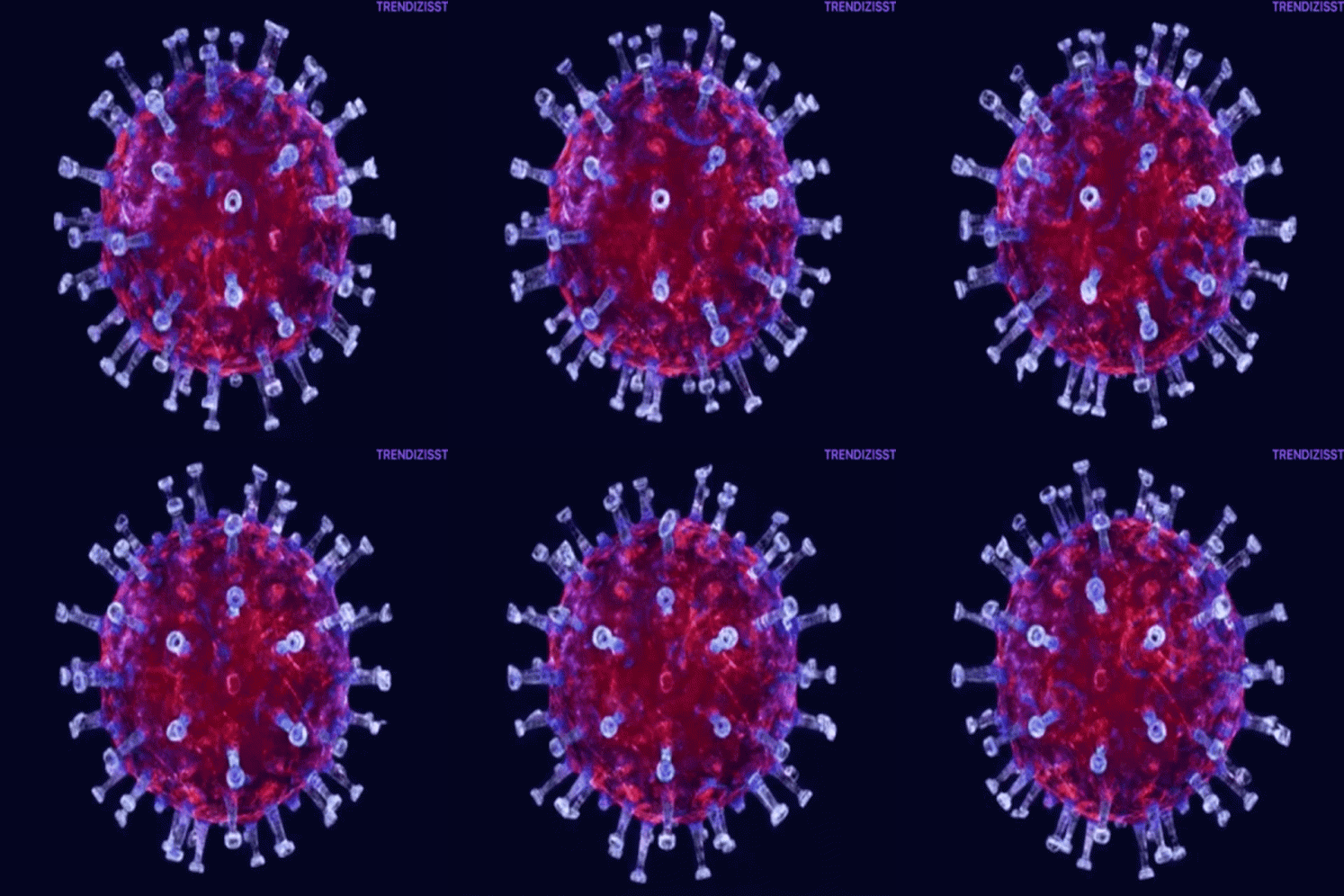
The infectious diseases are spread in the following ways: When an infected person sneezes or coughs, the droplets containing the pathogen of diseases such as influenza, common cold, etc. might spread in the air and infect others in the vicinity. Touching an infected person, or their body fluids such as saliva, blood, sweat, urine, etc. transfer the infections to a healthy person, e.g. chickenpox, measles, etc. Touching the objects or areas touched by an infected person can transfer the infection to a non-infected person and cause diseases.
/airborne-viruses-4797457_v_52-db49b5561af349f68cecb4456911030f.gif)
/infection-5096014-Final-eaf7a90b39fd4eb69b3a1776b721d975.gif)
The substantial burden posed by chronic diseases of likely infectious etiology demands global attention and action. Evidence continues to mount implicating microorganisms as important etiologic agents of chronic diseases that contribute substantially to morbidity and mortality.
T. SAIPRAGHNA GROUP(N0-7 NIKOLAS TESLA)