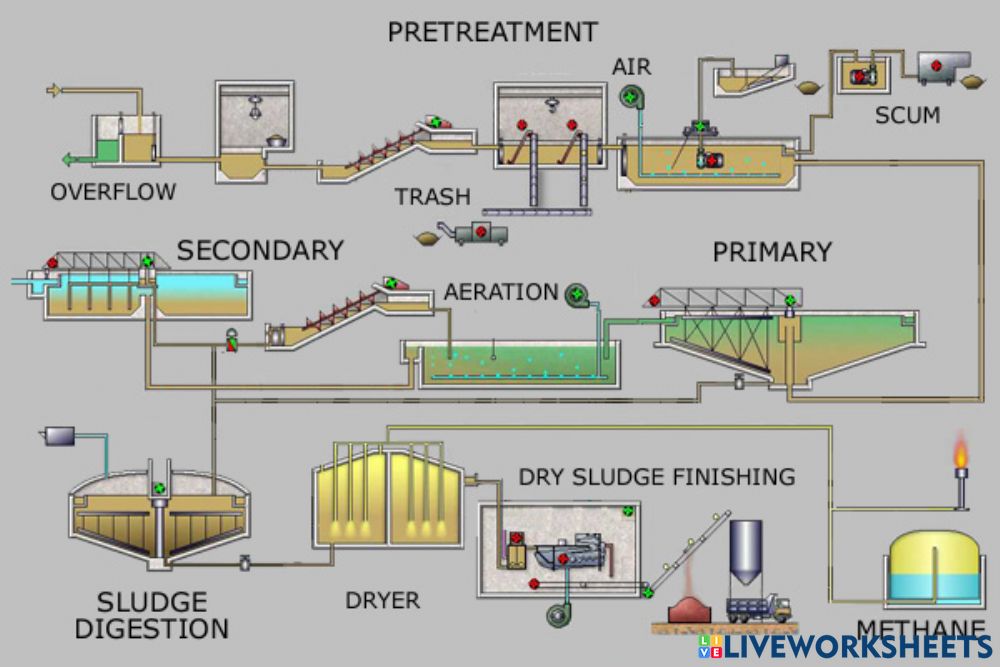
Wastewater refers to any water that has been contaminated or altered by human activities, making it unsuitable for immediate use or consumption. It includes water from various sources such as households, industries, commercial establishments, and agricultural activities. Wastewater can contain a wide range of pollutants, including organic matter, nutrients, pathogens, chemicals, and heavy metals. The generation of wastewater is a natural consequence of human activities and is a byproduct of our daily lives. It is produced from various domestic activities such as bathing, washing dishes, and flushing toilets. Additionally, industrial processes contribute significantly to the volume and complexity of wastewater, as they produce effluents with specific pollutants related to their respective industries. Similarly, agriculture practices can result in the release of agricultural runoff, which contains fertilizers, pesticides, and sediment. The improper management and disposal of wastewater can have severe environmental and public health consequences. If released untreated into the environment, wastewater can contaminate water bodies, deplete oxygen levels, harm aquatic life, and impair the quality of drinking water sources. It can also contribute to the spread of waterborne diseases and pose risks to human health.