Principles of Prevention
There are three
limitations of this approach to dealing with
infectious disease.
The first is that once
someone has a disease, their body functions
are damaged and may never recover
completely.
The second is that treatment will
take time, which means that someone
suffering from a disease is likely to be
bedridden for some time even if we can give
proper treatment.
The third is that the person
suffering from an infectious disease can serve
as the source from where the infection may
spread to other people.

Preventional Ways for disease
There are
two ways, one general and one specific to each
disease
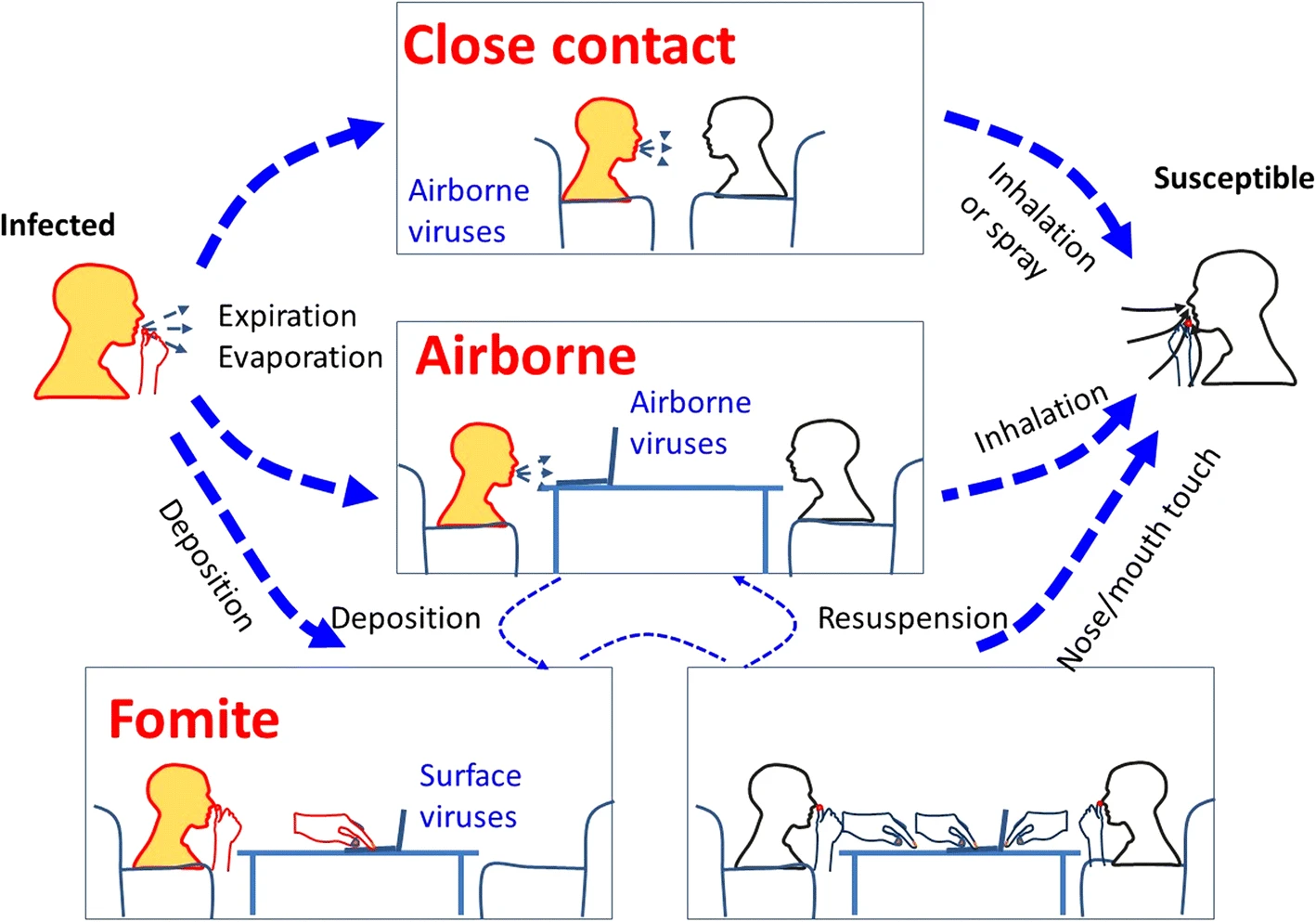
For airborne
microbes and those carried by droplets, we can
prevent exposure by providing living
conditions that are not overrowded,
maintaining appropriate physical distance,
wearing appropriate masks, practising hand
hygiene, etc
For water-borne microbes, we can
prevent exposure by providing safe drinking
water. This can be done by treating the water
to kill any microbial contamination.
vector-borne infections, we can provide clean
environments. This would not, for example,
allow mosquito breeding
General Priciples
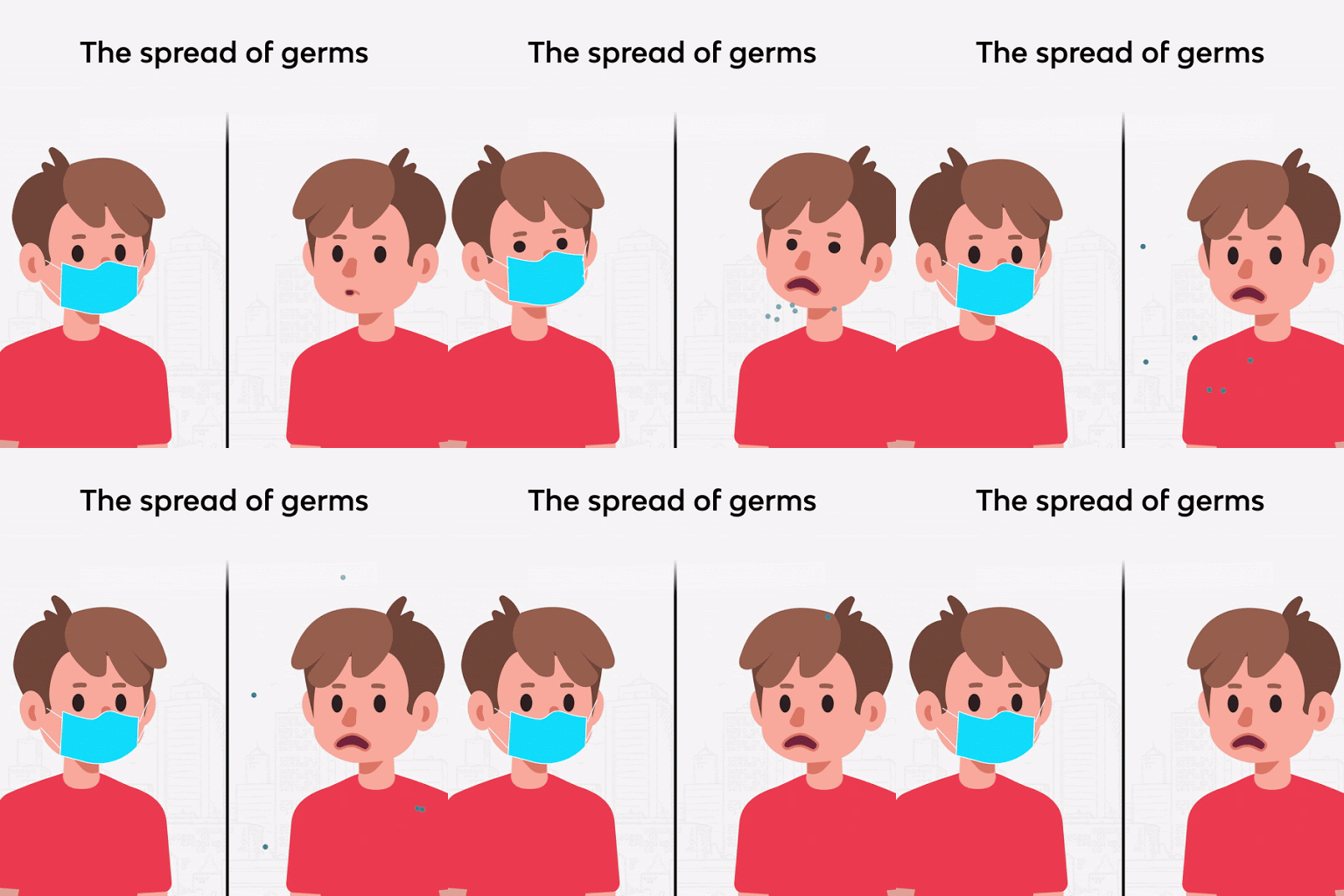
There are some other generalprinciples to prevent infectious diseases.
someone is suffering from a cold and cough in
the class, it is likely that the children sitting
around will be exposed to the infection.
This is because the immune system of our
body is normally fighting off microbes.
The functioning of the
immune system, like any other system in our
body, will not be good if proper and sufficient
nourishment and food is not available
Therefore, the second basic principle of
prevention of infectious disease is the
availability of proper and sufficient food for
everyone