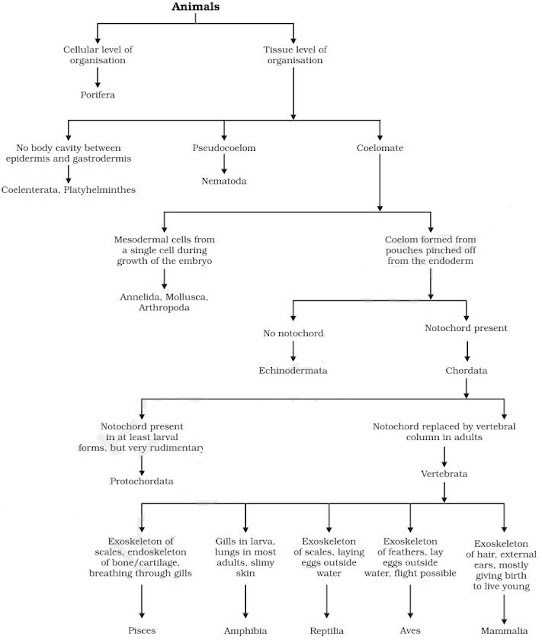
Biodiversity means the diversity of life forms. Biodiversity is all the different kinds of life you’ll find in one area—the variety of animals, plants, fungi, and even microorganisms like bacteria that make up our natural world. Each of these species and organisms work together in ecosystems, like an intricate web, to maintain balance and support life.

Biologists, such as Ernst Haeckel (1894),Robert Whittaker (1969) and Carl Woese(1977) have tried to classify all livingorganisms into broad categories, calledkingdoms. The classification Whittakerproposed has five kingdoms:
These groups are formed on the basis of their cell structure, mode and source of nutrition and body organisation.


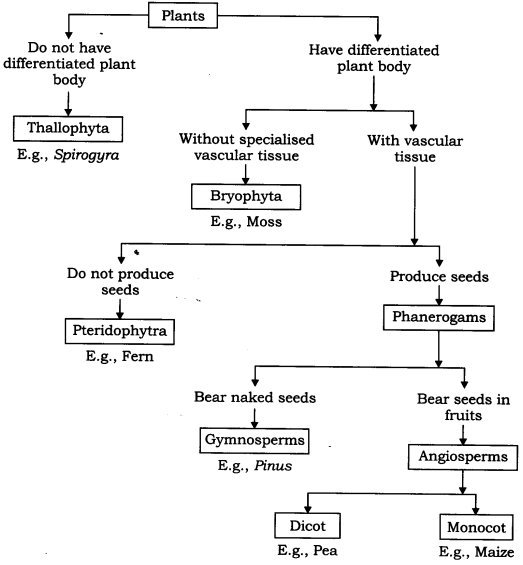
In the study of diversity in living organisms, the plant kingdom has an important role to play. The plantae kingdom in Robert Whittaker classification kingdom model consists of about 300,000 different plant species. The kingdom is considered to be one of the most important one being the source of food for all other living creatures on the planet earth. It consists of all the trees, shrubs, aquatic plants, desert plants, flowering and non-flowering plants.

Kingdom Animalia consists of organisms that range from the simplest of the animal forms to the most complex. At one end of this classification of animals, you have the microscopic organisms. And at the other end, you see animals that you probably come across in your daily life. Scientifically speaking, all organisms that belong to this Kingdom are Eukaryotic organisms. They are all multicellular, with many cells present.