About Water Pollution
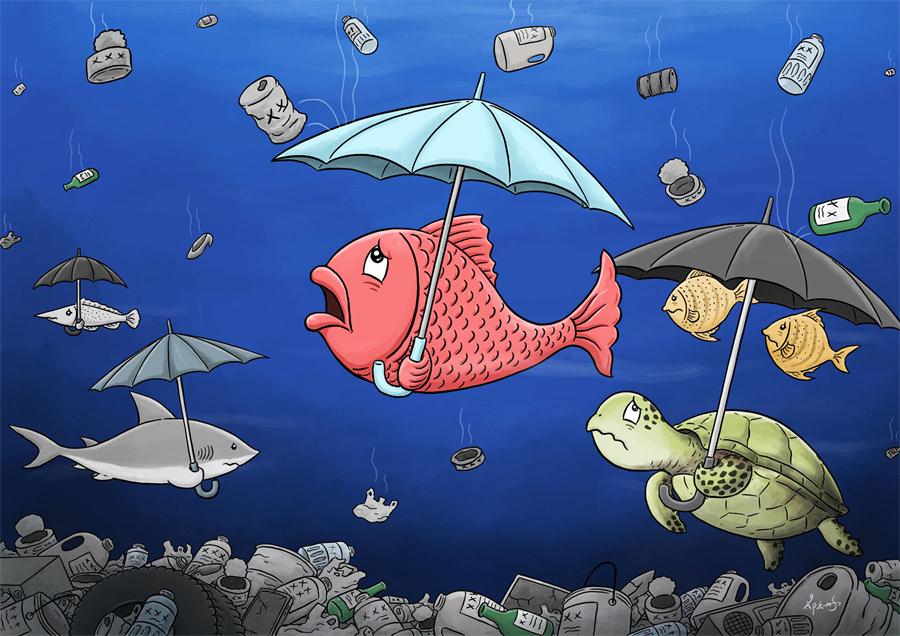
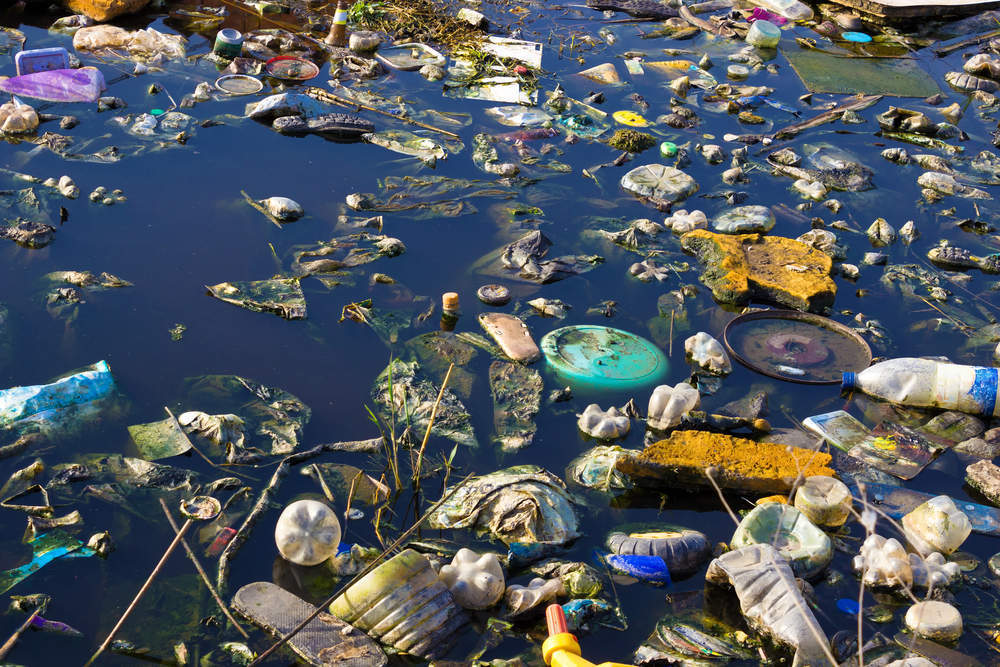
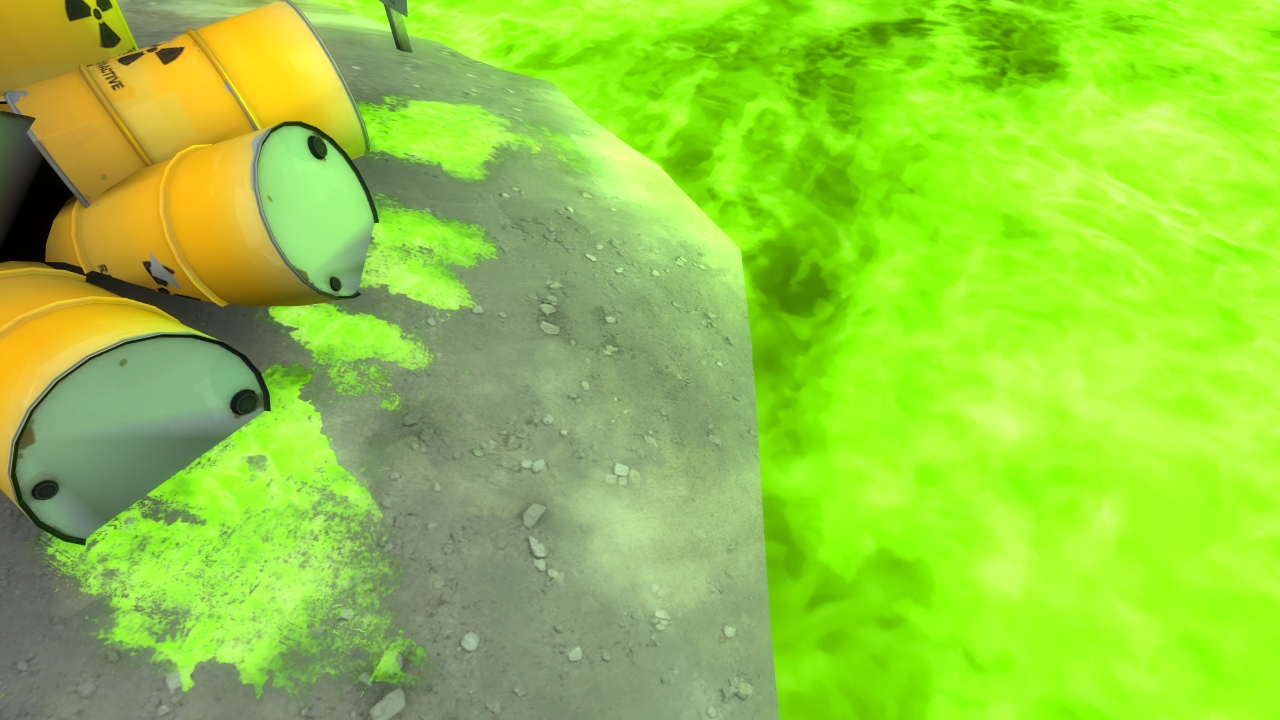
Water pollution is the contamination of water bodies, usually as a result of human activities. Water bodies include for example lakes, rivers, oceans, aquifers and groundwater. Water pollution results when contaminants are introduced into the natural environment.
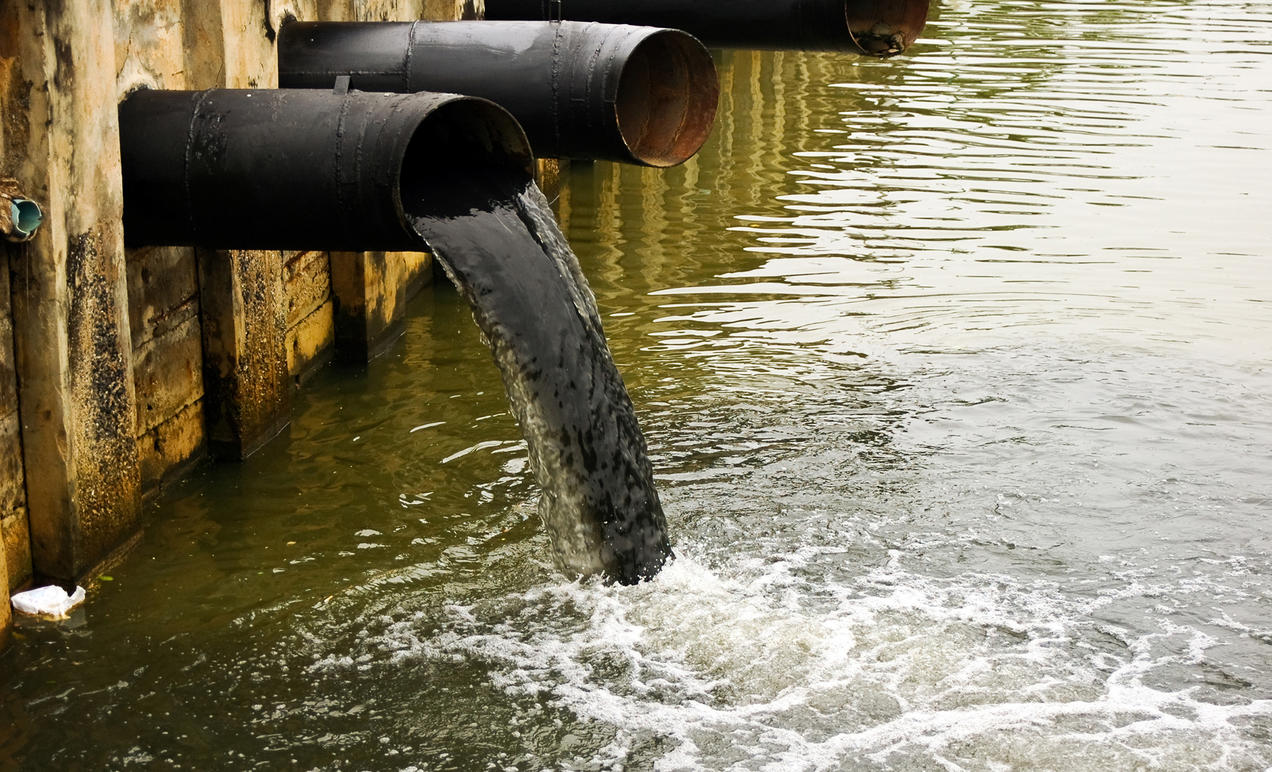
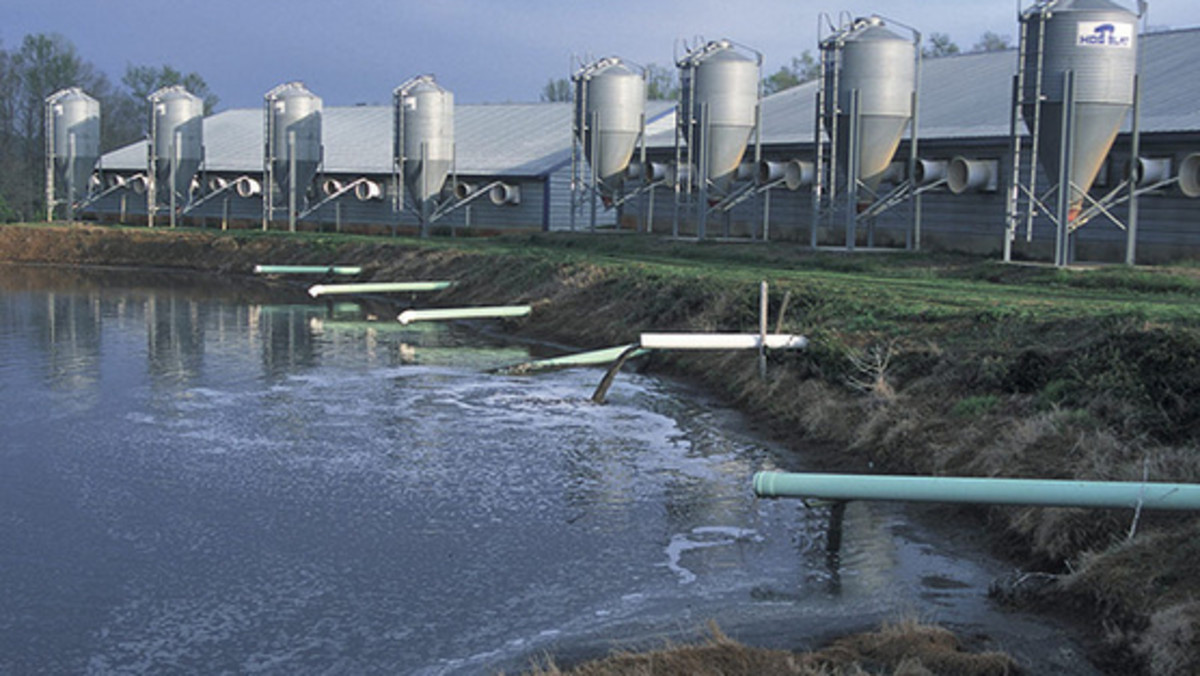
Water pollution can be classified as surface water or groundwater pollution. Marine pollution and nutrient pollution are subsets of water pollution. Sources of water pollution are either point sources or non-point sources. Point sources have one identifiable cause of the pollution, such as a storm drain or a wastewater treatment plant. Non-point sources are more diffuse, such as agricultural runoff. Pollution is the result of the cumulative effect over time. All plants and organisms living in or being exposed to polluted water bodies can be impacted.
Water pollution Sourses
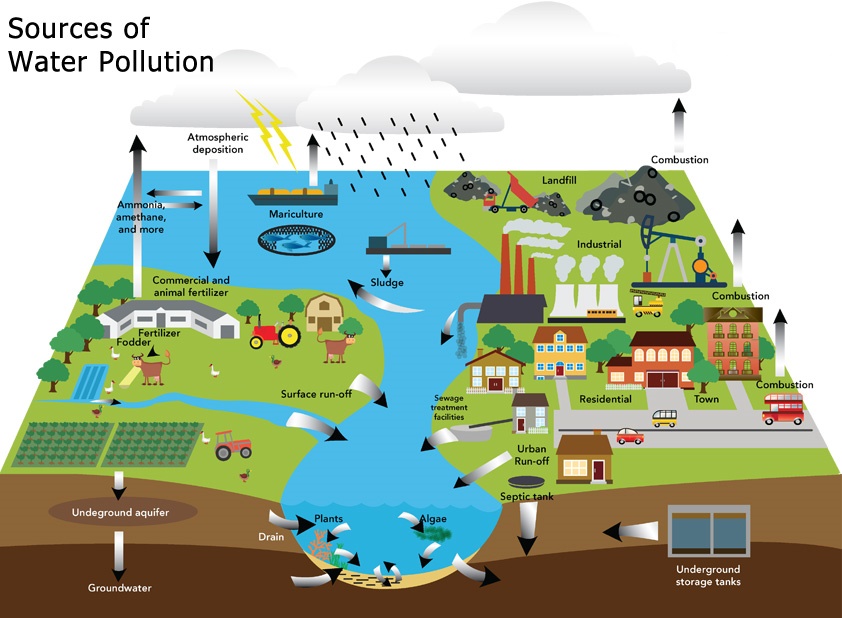
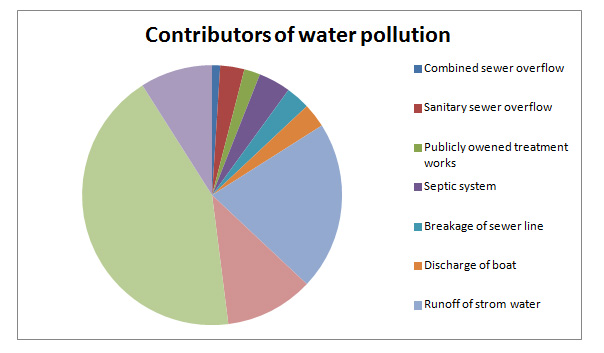
Water pollution pie chart