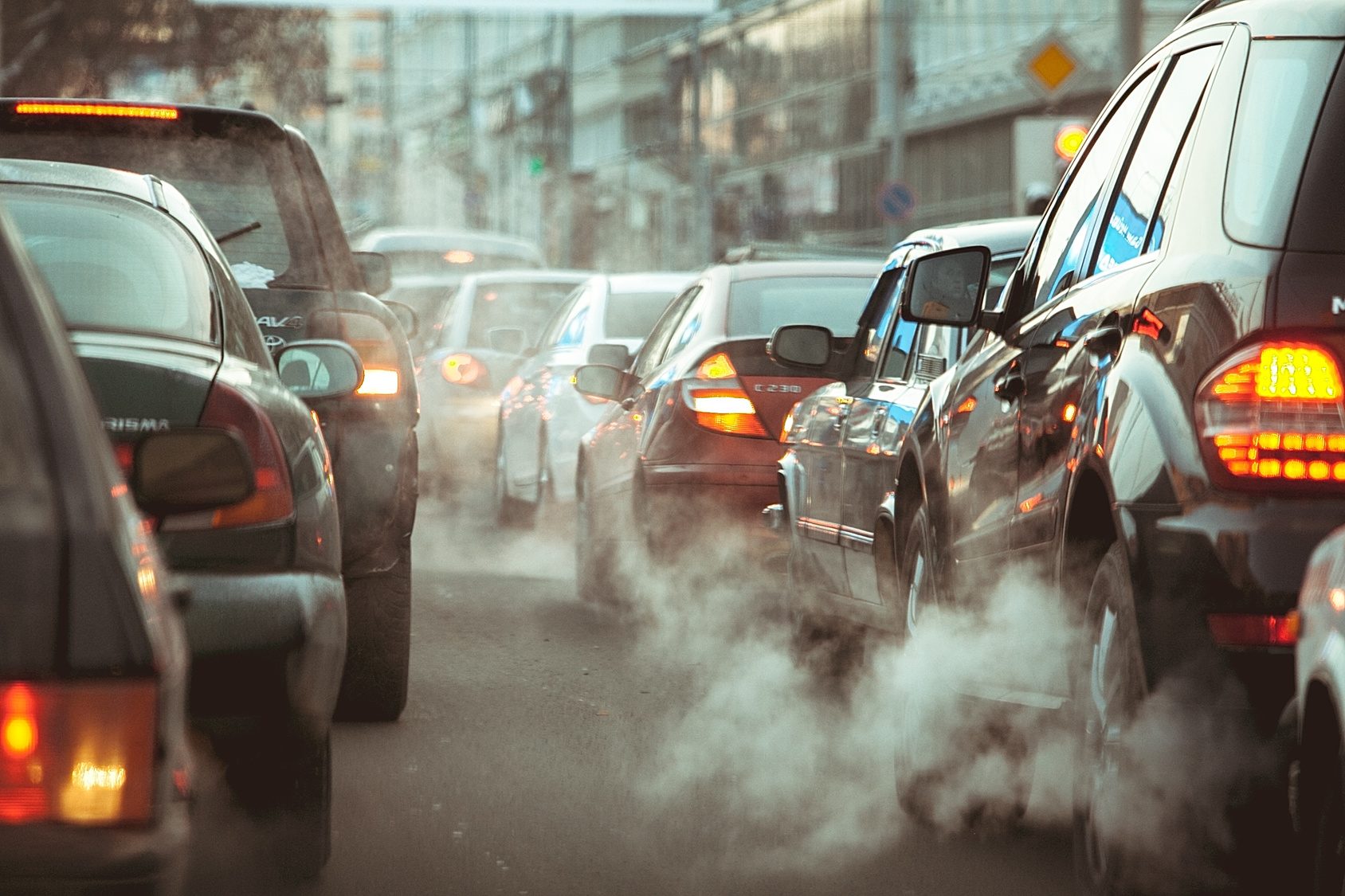
Vehicle emissions refer to the pollutants released into the atmosphere by vehicles, including cars, trucks, motorcycles, buses, and other motorized vehicles. These emissions are a significant source of air pollution and contribute to various environmental and health issues.
* Emission standards are the legal requirements governing air pollutants released into the atmosphere. Emission standards set quantitative limits on the permissible amount of specific air pollutants that may be released from specific sources over specific timeframes.
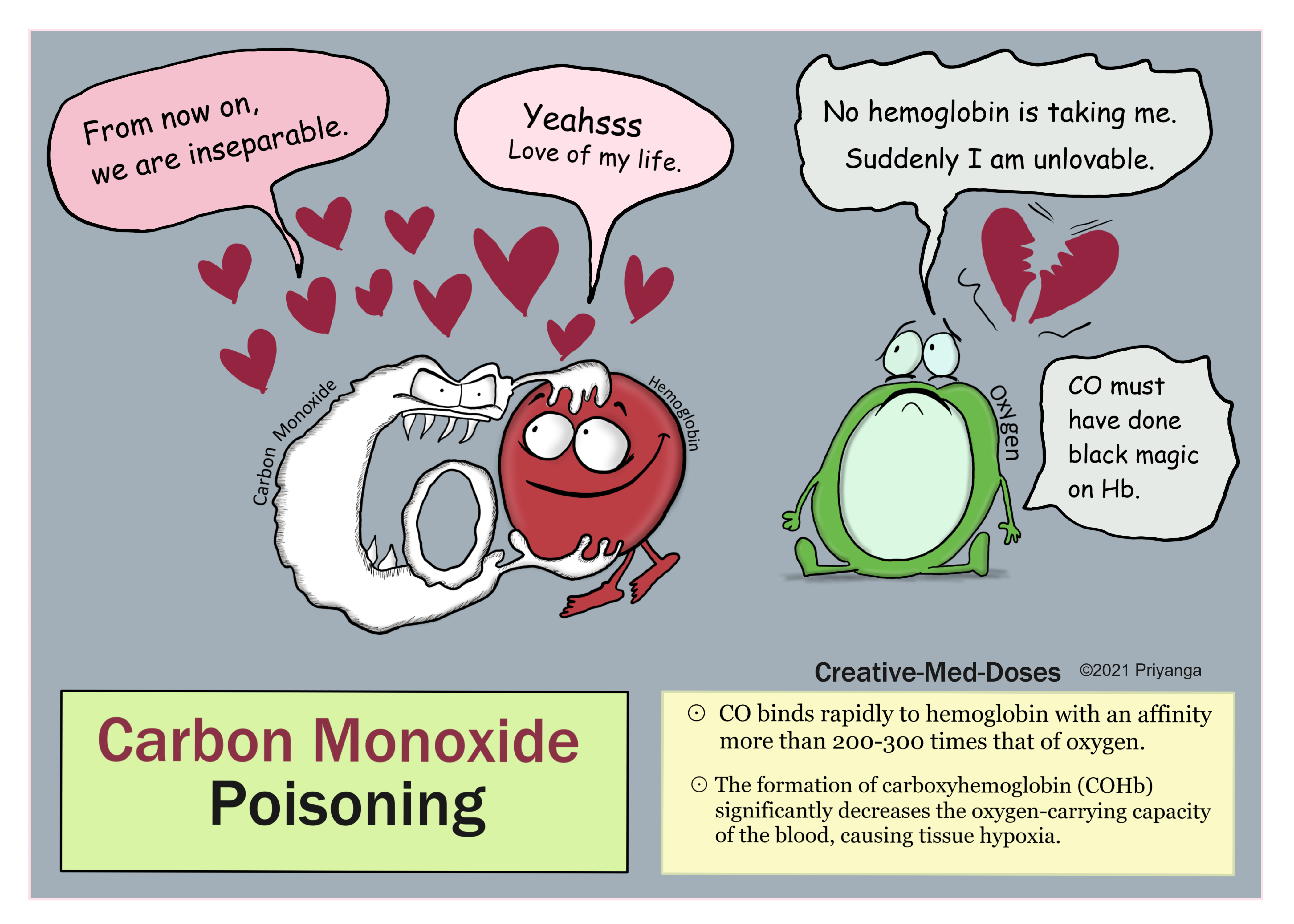
* Carbon Monoxide (CO): A colorless and odorless gas produced by incomplete combustion of carbon-containing fuels. It can be harmful when inhaled, reducing the oxygen-carrying capacity of blood and leading to health problems, especially in congested urban areas with heavy traffic.
* Nitrogen Oxides (NOx): These are formed when nitrogen in the air reacts with oxygen during the high-temperature combustion process in engines. NOx is a major contributor to smog formation and can lead to respiratory issues and aggravate existing respiratory conditions.
1. Vehicle emissions release a mix of harmful pollutants, including carbon monoxide, nitrogen oxides, volatile organic compounds, particulate matter, and greenhouse gases.
2. Certain vehicle emissions, such as chlorofluorocarbons (CFCs) and hydrochlorofluorocarbons (HCFCs), contribute to ozone depletion in the upper atmosphere.
3. Vehicle emissions are not limited to gaseous pollutants; they also include noise pollution from engines and traffic.
1. Transition to Electric Vehicles (EVs): Encouraging the adoption of electric vehicles is one of the most effective ways to reduce vehicle emissions. EVs produce zero tailpipe emissions and have a lower overall carbon footprint, especially when powered by renewable energy sources.
2. Improve Fuel Efficiency: Implementing and enforcing stringent fuel efficiency standards for conventional vehicles can significantly reduce their emissions. More efficient engines and advanced technologies, such as hybrid systems, can help achieve this goal.
3. Public Transportation and Active Mobility: Investing in and promoting public transportation, such as buses and trains, can reduce the number of individual vehicles on the road, thereby lowering emissions. Additionally, encouraging walking, cycling, and other forms of active transportation can further decrease vehicle usage.