
Industries release a wide range of pollutants into the air, water, and soil. These emissions include greenhouse gases, particulate matter, volatile organic compounds (VOCs), heavy metals, and other toxic chemicals.
Industrial processes and activities generate emissions of hazardous substances, like nitrogen oxide, ammonia, mercury and carbon dioxide. These substances pollute the water, air and soil and cause damage to human health, the environment and nature.
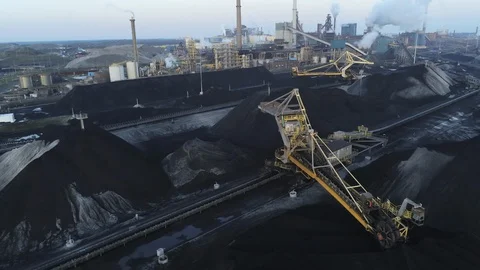
Long-term exposure to air pollution can lead to respiratory problems, cardiovascular diseases, and even premature death. It can also harm ecosystems, contribute to climate change, and reduce crop yields.
It is crucial to take steps to reduce air pollution and protect our planet. This includes promoting clean energy sources, improving transportation systems, and adopting sustainable practices in industries.
1. Respiratory and Cardiovascular Diseases: Air pollution, especially particulate matter (PM), nitrogen dioxide (NO2), sulfur dioxide (SO2), and ozone (O3), can aggravate respiratory conditions like asthma and chronic obstructive pulmonary disease (COPD). It also increases the risk of cardiovascular diseases, leading to heart attacks and strokes.
2. Industrial activities may discharge untreated or poorly treated wastewater into rivers, lakes, and oceans, leading to water pollution.
3. Industrial activities can release toxic substances and heavy metals into the soil, leading to soil contamination.
4. Environmental Impact: Air pollution can harm ecosystems, wildlife, and vegetation. Acid rain, for example, caused by pollutants like sulfur dioxide and nitrogen oxides, damages forests, lakes, and soils, affecting biodiversity.
5. Global Warming: Certain air pollutants, such as carbon dioxide (CO2) and methane (CH4), are greenhouse gases that trap heat in the Earth's atmosphere, contributing to global warming and climate change.
1. Invest in Clean Technologies: Encourage industries to adopt cleaner production processes and technologies. This could include using renewable energy sources, advanced emission control systems, and energy-efficient machinery.
2. Improve Energy Efficiency: Promote energy efficiency measures within industrial facilities to reduce overall energy consumption and subsequently lower emissions.
3. Implement Emission Standards and Regulations: Enforce strict emission standards and regulations for industries. Regular monitoring and penalties for non-compliance can incentivize companies to reduce their emissions.